The Background Paragraph That Arrives Too Late
Learn how missing context can tilt a developing regional story, and use a focused background question to spot what the account has yet to explain.
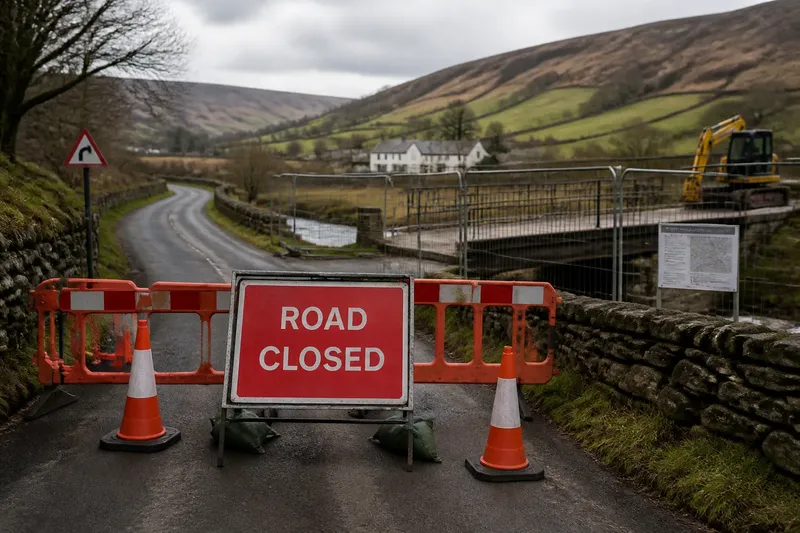
A road closure can look like a sudden emergency when a developing story leaves out the town’s long-running dispute over who maintains that road. The missing background paragraph matters because readers often interpret the newest event before they know what made it consequential.
That gap does not automatically mean a reporter has misled anyone. Breaking accounts are assembled while facts are still coming in, and a useful explanation may appear later. The reader’s task is to notice which prior condition would change the meaning of the event—and ask whether the story has supplied it.
Why does missing background change the story?
A current event rarely arrives alone. It may depend on an earlier decision, a local custom, a legal arrangement, an unfinished project, or a conflict that has shaped how residents understand what is happening. Without that link, a report can be accurate about the immediate event yet leave its significance unclear.
Context is not simply extra history. It is the information needed to understand why this event happened here, why people respond as they do, or what may follow. A paragraph about the area’s founding might add color; a paragraph explaining that a disputed permit governs the site could alter the reader’s interpretation.
This is especially consequential in regional reporting. A place name that seems self-explanatory to residents may conceal separate jurisdictions, competing service arrangements, or a boundary that affects who has authority. Readers outside the area may not know which distinction matters, while people who live there may assume it is obvious.
What background question is the story leaving open?
Rather than asking vaguely for “more context,” identify the link you need. Start with the story’s central action and ask what prior condition makes that action intelligible. The answer often points to one precise question the account has not yet addressed.
- What decision came before this? Look for an approval, rejection, agreement, or earlier policy that set the current events in motion.
- Who had authority here? Check whether the account explains which local, county, state, tribal, or federal body is responsible.
- What was already happening at this place? The story may depend on an ongoing project, service, dispute, or change in land use.
- What does a key local term mean? A phrase familiar to residents may refer to a formal boundary, process, or arrangement rather than a general description.
- What would a reader need to know to judge the consequences? Look for the relevant rule, commitment, or existing condition—not background that merely lengthens the piece.
Say you read that a county has paused work on a bridge, but the account does not explain why the county was handling it. If you learn that the bridge crosses land managed under a separate agreement, the useful question becomes who controls the work under that agreement. That question helps you look for the missing link without assuming that the pause has a particular cause.
How can you spot the gap without guessing?
Watch for a sharp transition from event to reaction. If the article says a meeting ended in protest but offers no account of the decision under debate, the reaction has no clear object. If it reports that a service is changing without describing the arrangement residents relied on, readers cannot tell what the change replaces.
Notice also when a story names a body or process without explaining its role. “The district,” “the board,” and “the corridor” may sound definite, yet each can refer to a specific local institution or place whose boundaries shape the story. A map, public meeting agenda, agency explainer, or earlier report may supply the missing orientation.
Keep the question separate from a theory. “What agreement governs the site?” is a request for context; “Officials are hiding the agreement” is a claim about motive. The first can guide a careful search. The second requires evidence the missing paragraph itself does not provide.
How should you use earlier coverage and local records?
Search the outlet’s earlier reporting for the exact place, agency, project, or policy named in the new account. A previous article may explain the background, but check its date and whether the current story says circumstances have changed. Old context can be as distorting as no context if it is presented as though nothing has moved.
For a government decision, a meeting agenda or staff memo can clarify what was formally under consideration; minutes may show what action followed. For a boundary or jurisdictional question, an official map or the relevant agency’s description can orient you. Treat these documents as records of particular decisions or claims, not as substitutes for explaining how residents are affected.
Compare the account with another local outlet when the missing link concerns a place-specific term or a continuing dispute. Look for what each source actually explains, not which one sounds more confident. If neither supplies the background question’s answer, that is a reason to withhold a firm interpretation, not to fill the gap with speculation.
What should you ask when context is still missing?
Does a missing paragraph mean the report is wrong?
Not necessarily. A developing account may establish the immediate event before it can explain the history that gives the event meaning. Separate confirmed description from interpretation, and revisit the story as it is updated.
How much history does a reader need?
Enough to understand the relevant decision, authority, or local condition. Background is useful when it changes how the present event can be interpreted; distant detail that does not affect that link may distract.
Can an official document settle the context question?
It can clarify what a body decided, what a rule says, or how an agency defines its role. It may not explain how those formal arrangements work in practice or how affected residents describe them.
What if the answer is not available yet?
Keep the question open and mark the interpretation as provisional. A careful report may later add the necessary background, while an unanswered question remains a limit on what readers can reasonably conclude.
When does the late paragraph change your reading?
When background arrives, check whether it merely adds detail or changes the chain of meaning. A new account of who made an earlier decision may shift responsibility; an explanation of an existing service may clarify what a proposed change would actually replace. The update should sharpen the reader’s understanding, not simply make the story feel more complete.
The background paragraph that arrives late is a reminder to pause between event and conclusion. In a developing regional story, identify the missing prior condition, seek a source that can explain it, and keep your judgment proportionate to what is known. That is how context becomes a useful question rather than an invitation to guess.